22 July 2026, Cape Town
To the Anglican Church of Southern Africa, the Bishops Diocesan College community, and all who hold this Church dear,
Grace and peace to you.
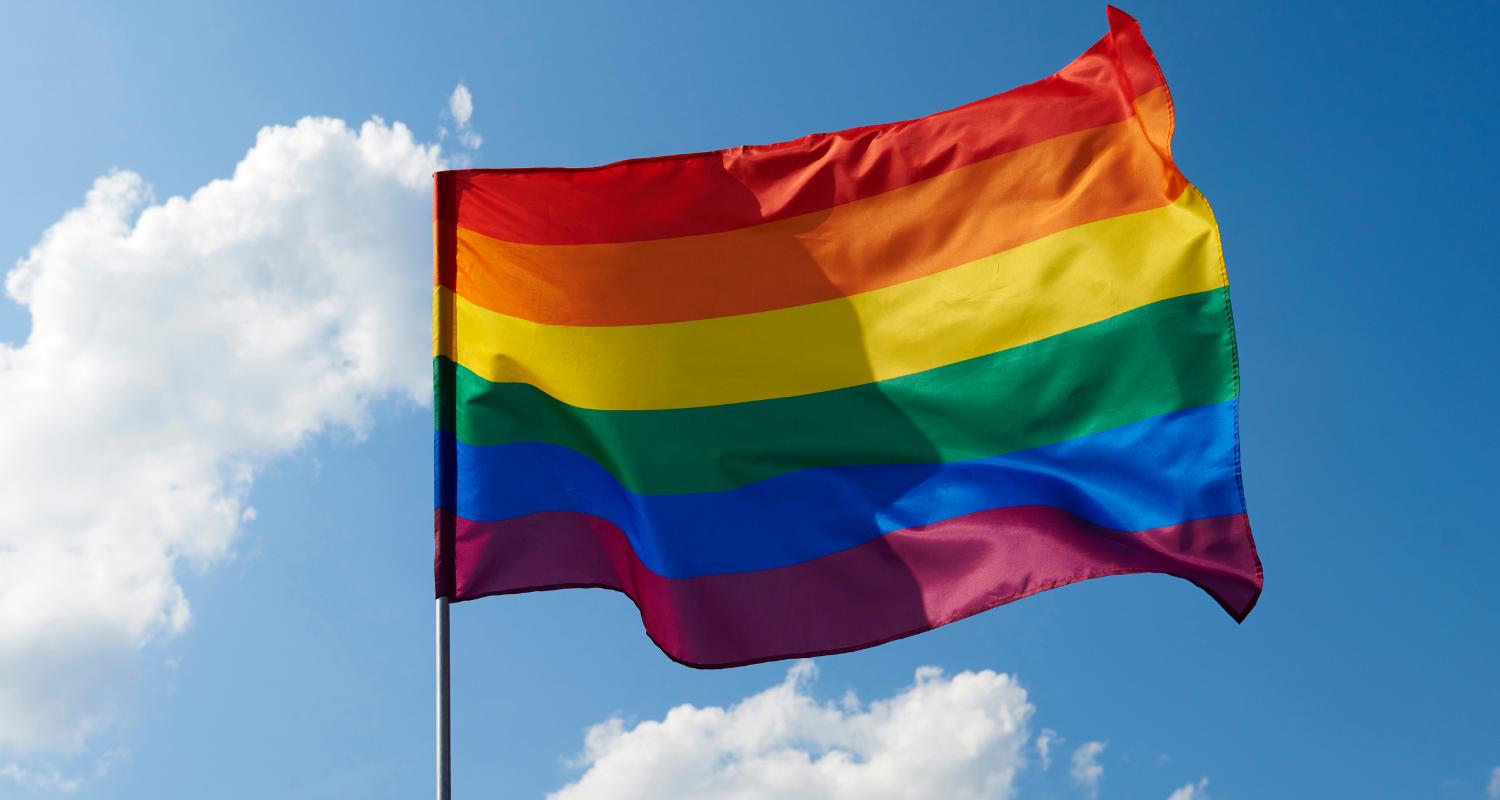
Over the past two weeks, a flag flown each June at Bishops Diocesan College in Cape Town has become the subject of considerable public debate. Members of the school’s alumni body have called for its removal; parents, students and staff have organised in its defence; and the disagreement has been carried by national headlines well beyond the school gates. Inclusive and Affirming Ministries (IAM), a non-profit that has been working alongside churches and communities for LGBTQIA+ inclusion for over 30 years, writes this open letter not to adjudicate that particular dispute — the school’s governing Council must reach its own decision — but because it has surfaced a far older and more enduring conversation that every chaplaincy and parish in this Province already lives with, whatever is decided about a flagpole.
That conversation will not be resolved by any single decision. It has occupied the Anglican Church of Southern Africa (ACSA) since 1998, when Provincial Synod first affirmed the human dignity of gay and lesbian people, through the Archbishop’s Commission on Human Sexuality and its substantial 2019 report, to the September 2024 Provincial Synod, which voted against two key proposals regarding same-sex relationships: they rejected permitting bishops to authorize blessings for same-sex couples, and voted down a set of pastoral prayers meant for
church members in civil unions. It will still be with us long after this controversy fades from the news.
What cannot wait is the pastoral care owed right now to LGBTQIA+ students, parishioners and clergy who are watching this debate and wondering what it says about their place in the church.
It is worth stating clearly where the ACSA actually stands, because it is both better and worse than the loudest voices on either side suggest. The Province has affirmed since 1998 that LGBTQIA+ Anglicans are full, baptised members of the Body of Christ. Queer clergy have served, some openly, for decades. The 2019 Commission found that rejection by the Church, not its formal policy, has done the deeper harm, and called for repentance for it. At the same time, no provincial rite yet blesses same-sex unions, the wider Anglican Communion remains divided, and queer people continue to receive mixed messages from the pulpit. Both things are true, and neither cancels the other. Crucially, no ACSA policy bars pastoral care. Whatever the Council at Bishops decides, no chaplain anywhere is prevented from sitting with a frightened student, and none should wait for Synod’s permission to do so.
The inclusion of LGBTQIA+ inclusion is not opposed to the Christian faith; they are an expression of it. To frame this inclusion as ideological, as many have in this recent debate, is a misrepresentation. Whenever God’s children are excluded from pastoral care and belonging, the Church must ask whether it is reflecting the Gospel of Christ.
As Archbishop Emeritus Desmond Tutu wrote after apartheid:
“The church of Jesus Christ, far from being inclusive and welcoming of all, has over and over again pushed many to the periphery; instead of being hospitable to all, it has made many of God’s children outcasts and pariahs on the basis of something which, like race and gender, they could do nothing about – their sexual orientation… If the church, after the victory over apartheid, is looking for a worthy moral crusade, then this is it: the fight against homophobia and heterosexism.”
Who else do Christians claim to love, if not the God who is love, and the neighbour made in God’s image?
We ask you, then, not to take a side on a flag, but to open spaces for honest, sustained dialogue in your chaplaincies. Jesus reminds us that “Blessed are the peacemakers” (Matthew 5:9). Whatever you do for the least of these, you do for Christ (Matthew 25:40), and if one member suffers, all suffer with it, and if one is honoured, all celebrate with it (1 Corinthians 12:26). Some in our pews feel genuinely threatened by this conversation, and that fear, too, deserves pastoral attention, not dismissal.
This is simply the Christ-like thing to do.
IAM writes here in its own voice, as a partner committed to LGBTQIA+ inclusion. We do not speak for the Synod of Bishops, the Province, or Bishops Diocesan College, each of which must reach its own discernment. After over 30 years of working with faith communities, IAM stands ready to walk alongside any chaplaincy or parish seeking resources, training or companionship in this work. Clergy and lay leaders who wish to request accompaniment for their chaplaincy or parish, are warmly invited to contact us at info@iam.org.za or via www.iam.org.za.
In Christ’s peace,
Inclusive and Affirming Ministries
Cape Town, South Africa